
Phone Number
+91-40-2372 0329
Email Address
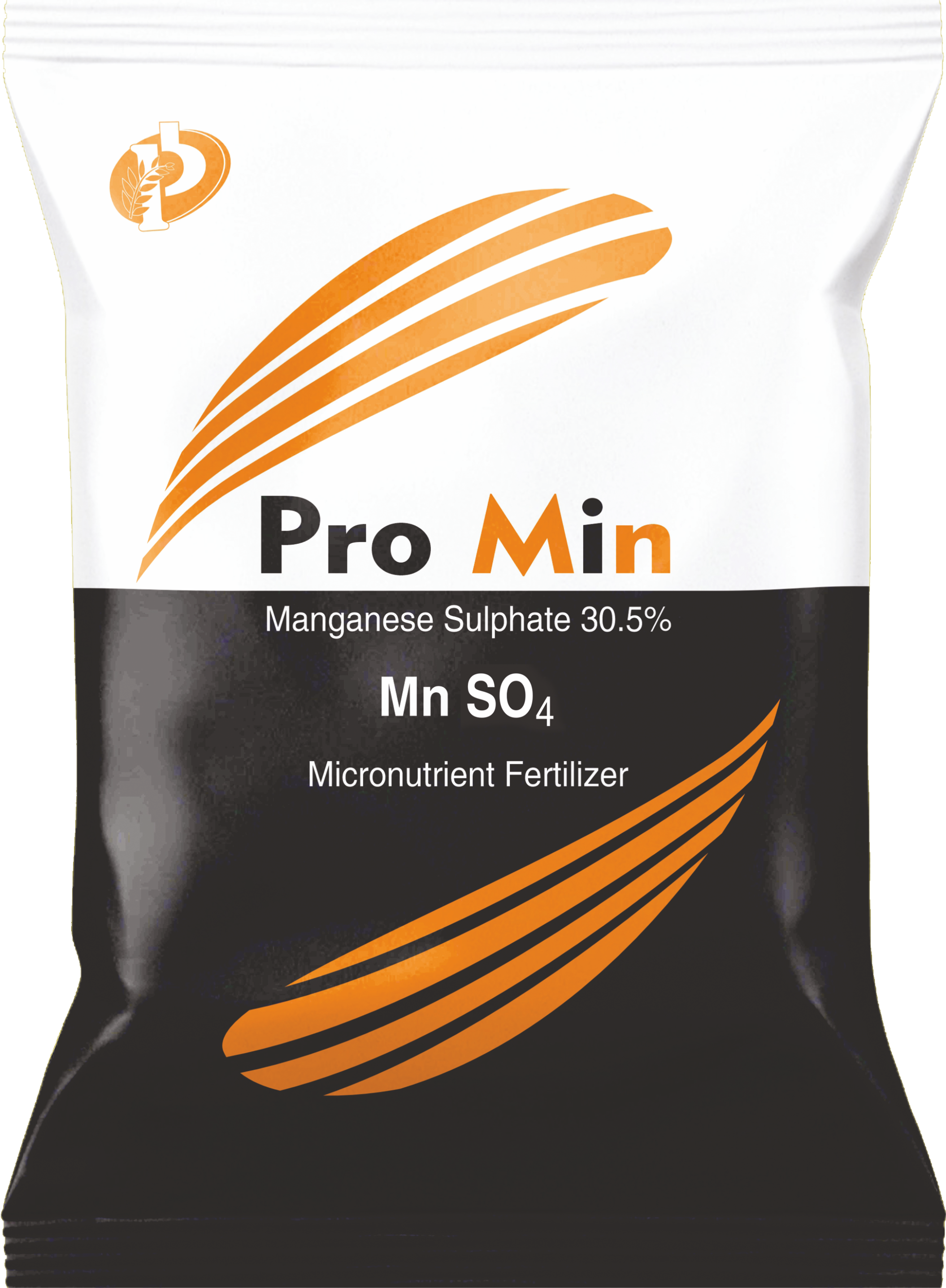
Manganese Sulphate 30.5%.
For the prevention of manganese deficiency and to promote the process of photosynthesis and plant growth.
Spray: 250 grams per acre of crop.
500 grams to 1 kg per acre of crop.
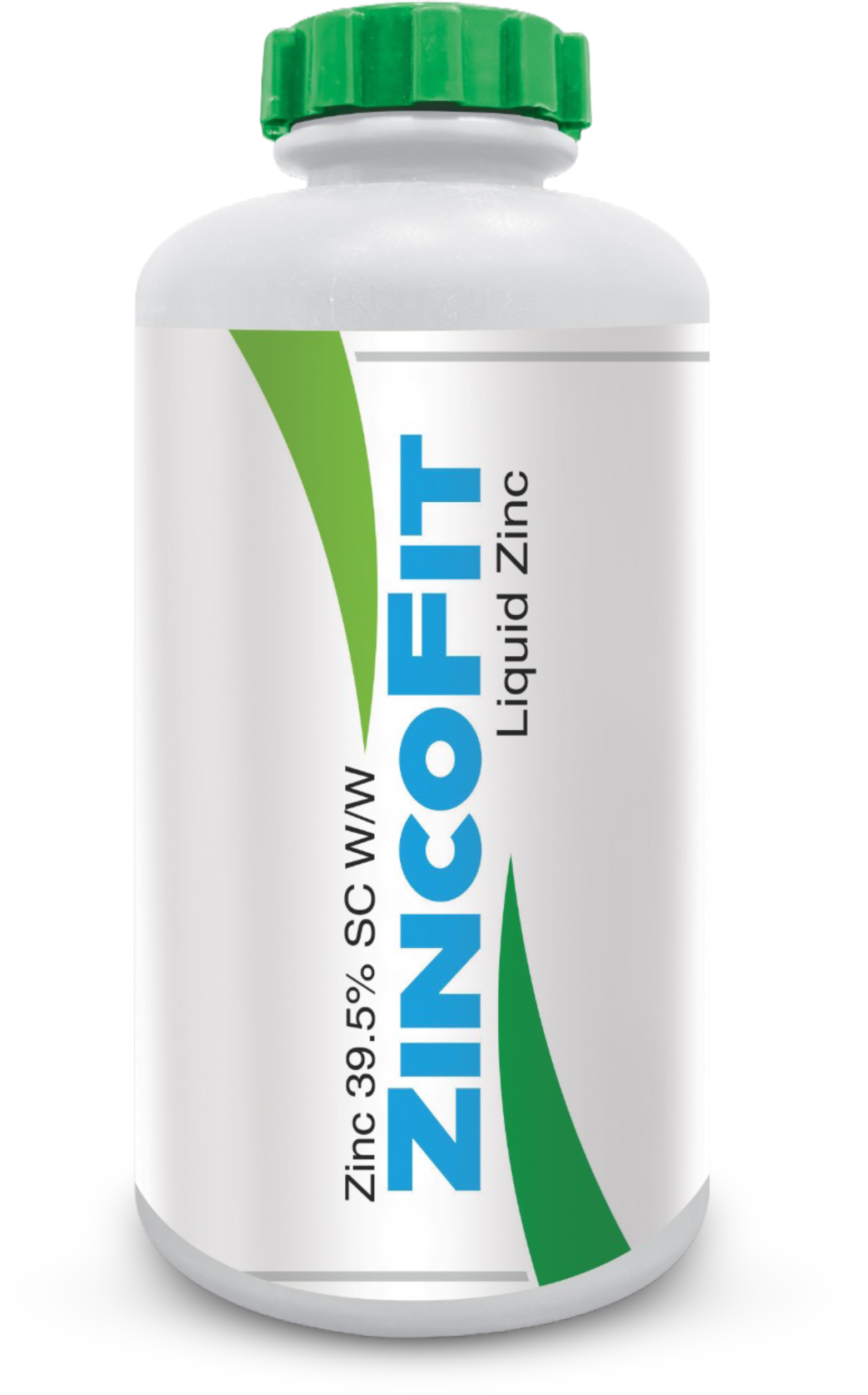
Zinc: 39.5% W/W SC.
Helps prevent zinc deficiency, promotes crop growth, and supports the development of the fibrous root system.
Spray: Depending on the requirement, use 100–200 ml per acre.
Depending on the requirement, use 500–1000 ml per acre of crop.
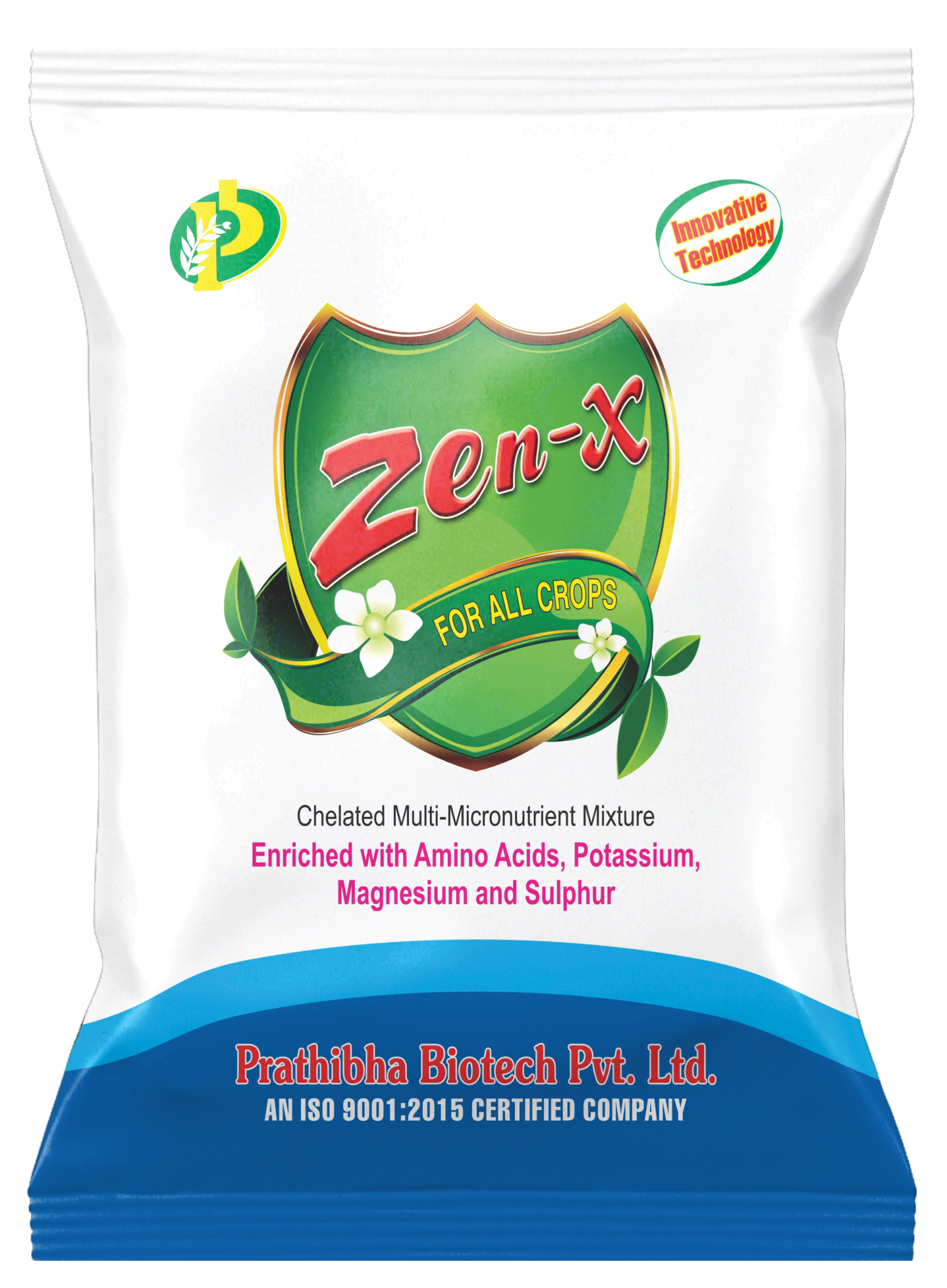
It contains Micronutrients, Amino acids, Potassium, Magnesium, Sulphur.
Chelated multi-micronutrient mixture for prevention of deficiencies and growth enhancement.
Spray: 500 g per acre. Drip: 2 kg per acre.
2 kgs for 1 acre.

Micro minerals mixture and amino acids
Prevents micronutrient deficiencies and supports growth.
Spray: 500 ml per acre.
4 Liters per one acre.

Protein Hydrolysate 25%.
It helps the growth of plants. It encourages many types of enzymes in the plants and promotes abundant flowering.
Spray: For one acre of crop, 300 grams.
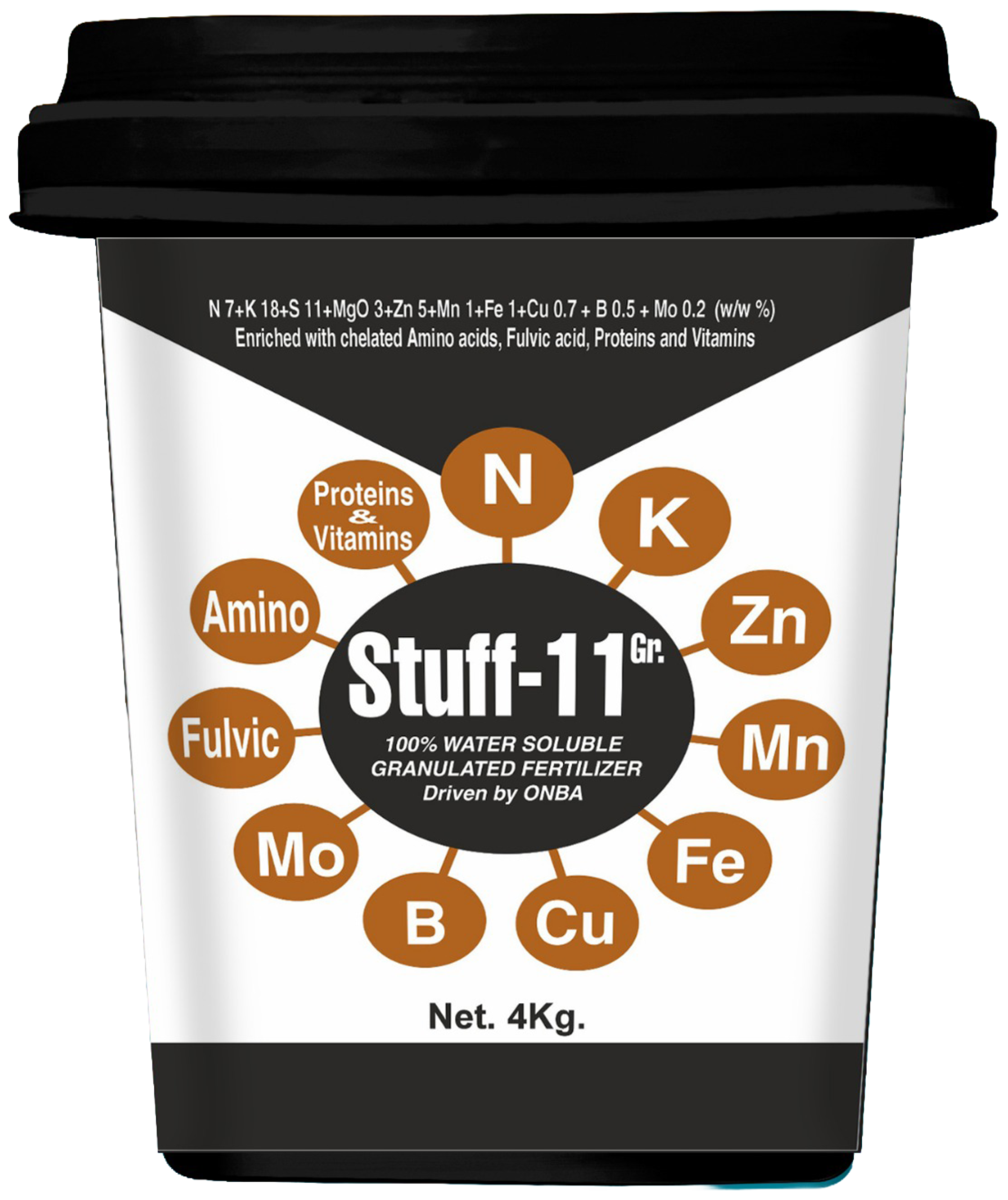
Nitrogen, Potassium, Zinc, Ferrous, Copper, Manganese, Boron, Molybdenum, Amino Acids, Fulvic acids, Proteins, Vitamins.
Prevents micronutrient deficiencies and increases fruit size and weight.
Soil application: 5 kg per acre.
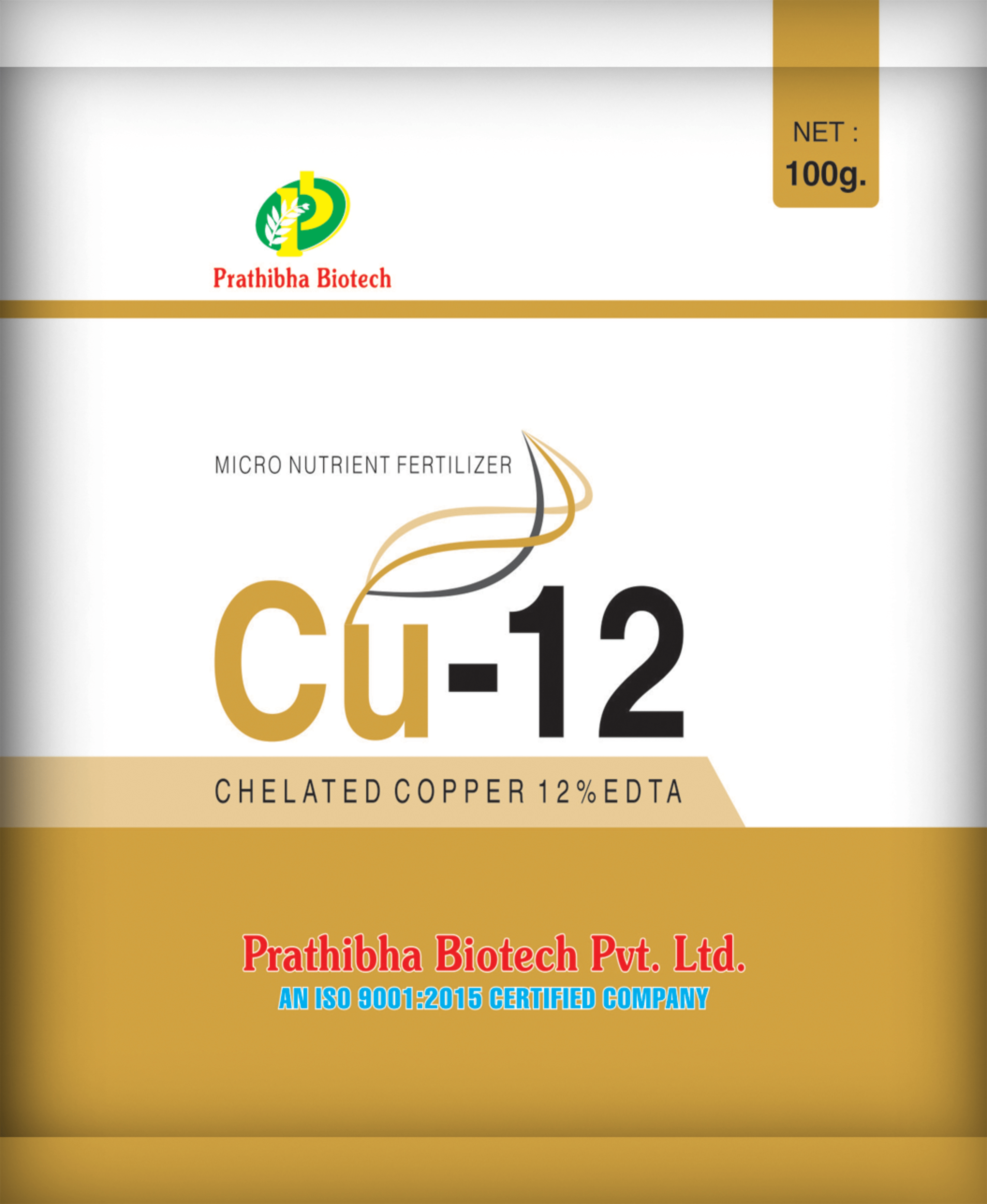
EDTA Copper Sulphate – 12%
It helps prevent copper deficiency and ensures abundant flowering, preventing premature fall, and enables pod and fruit to get the right colour.
Spray: 100 grams per acre of crop.
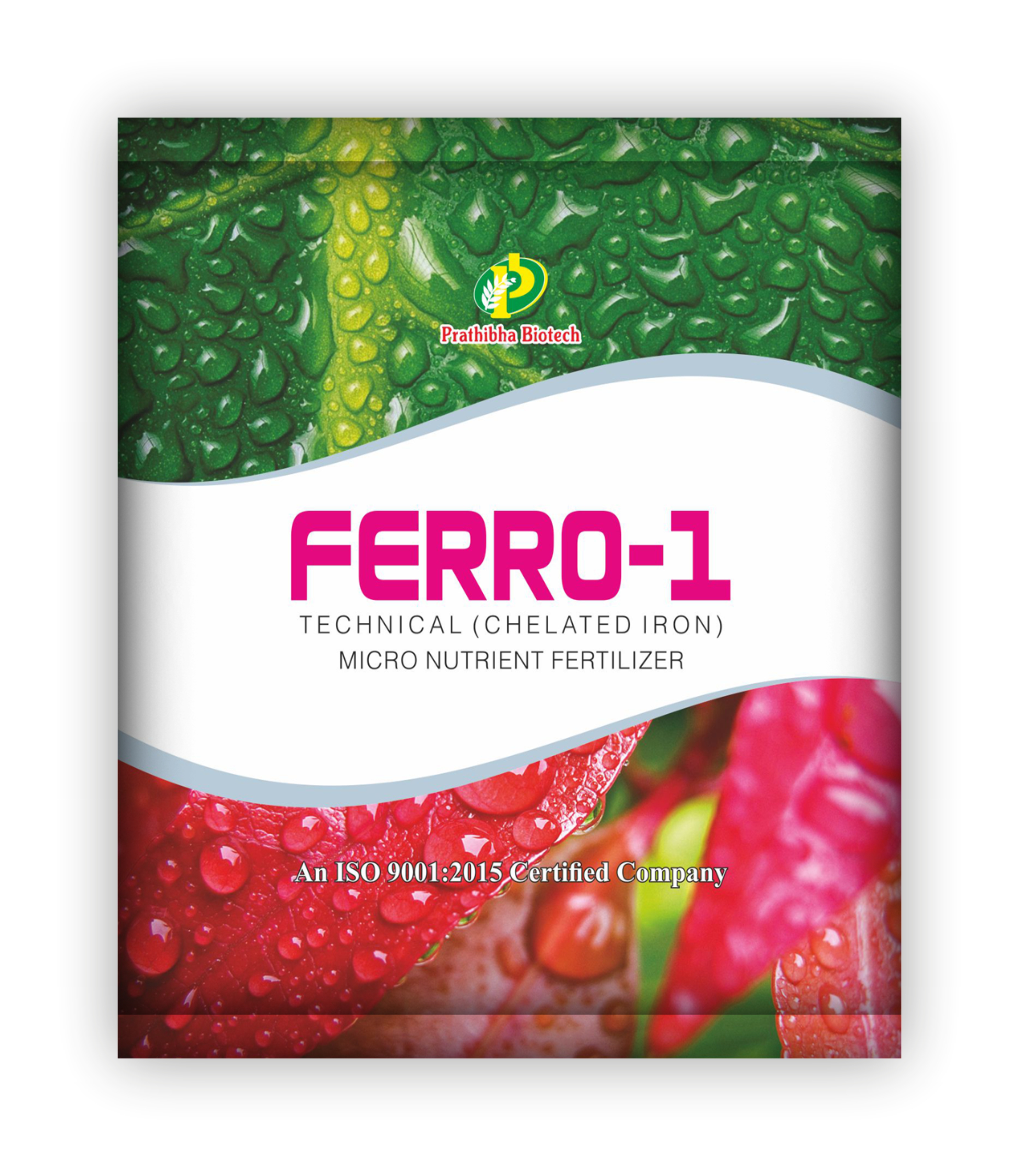
EDTA Ferrous Sulphate 12%
Ferrous iron acts as a catalyst for the formation of chlorophyl and photosynthesis process in the plants. It accelerates photosynthesis process and helps in the formation of chlorophyl. It helps during the production of sugar and releasing energy from carbohydrates. If the volume of ferrous is more then the crop dries up.
Spray - per one acre of crop use 100 gms.
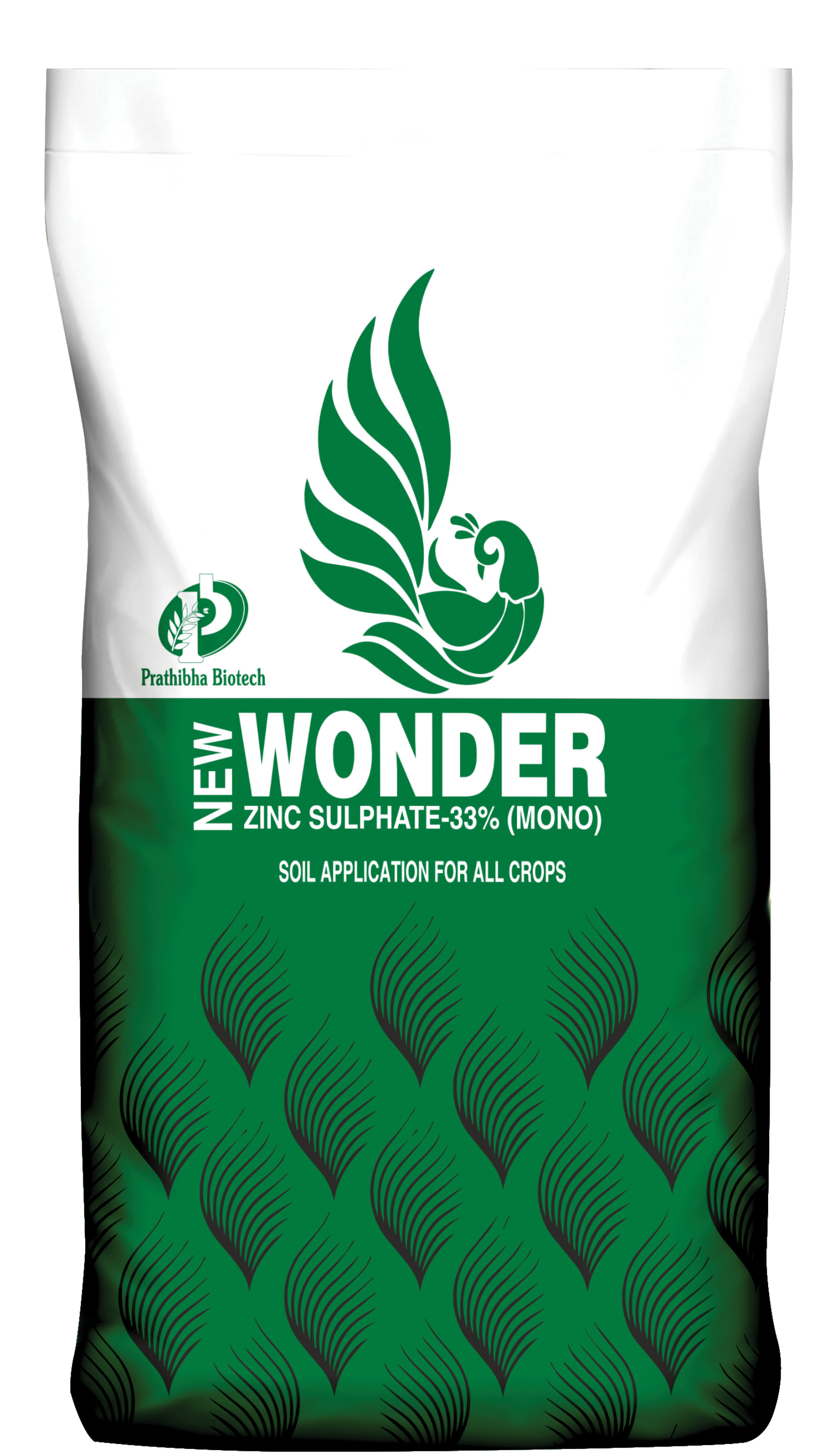
Zinc Sulphate - 33% (Mono)
Prevents zinc deficiency, promotes crop growth and fibrous root system.
Soil application: 10 kg per acre.
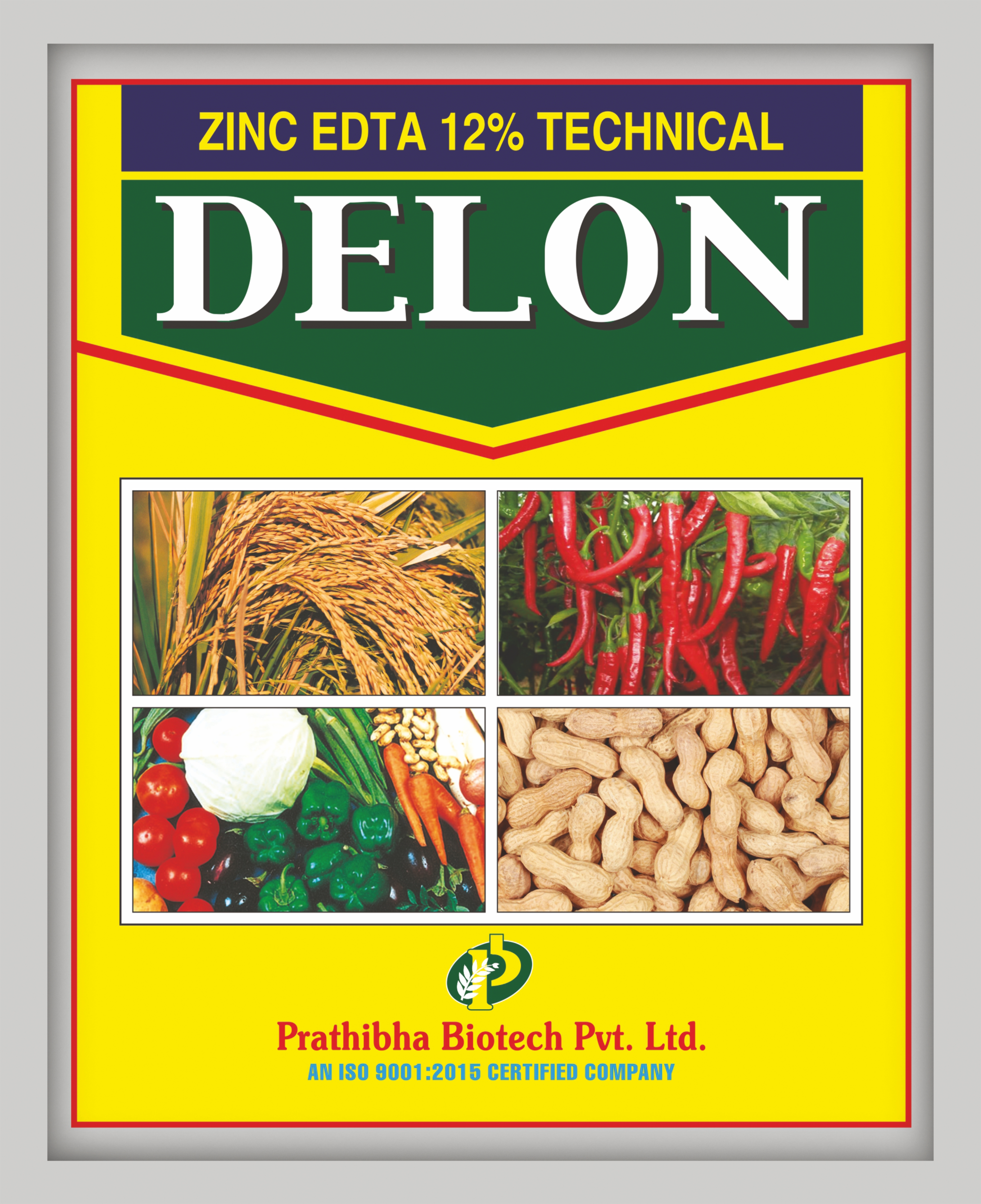
EDTA Zinc Sulphate – 12%
To prevent zinc deficiency, promote crop growth, and develop a fibrous root system.
Spray: 100–150 grams per acre of crop
Drip: 1 kg per acre of crop.
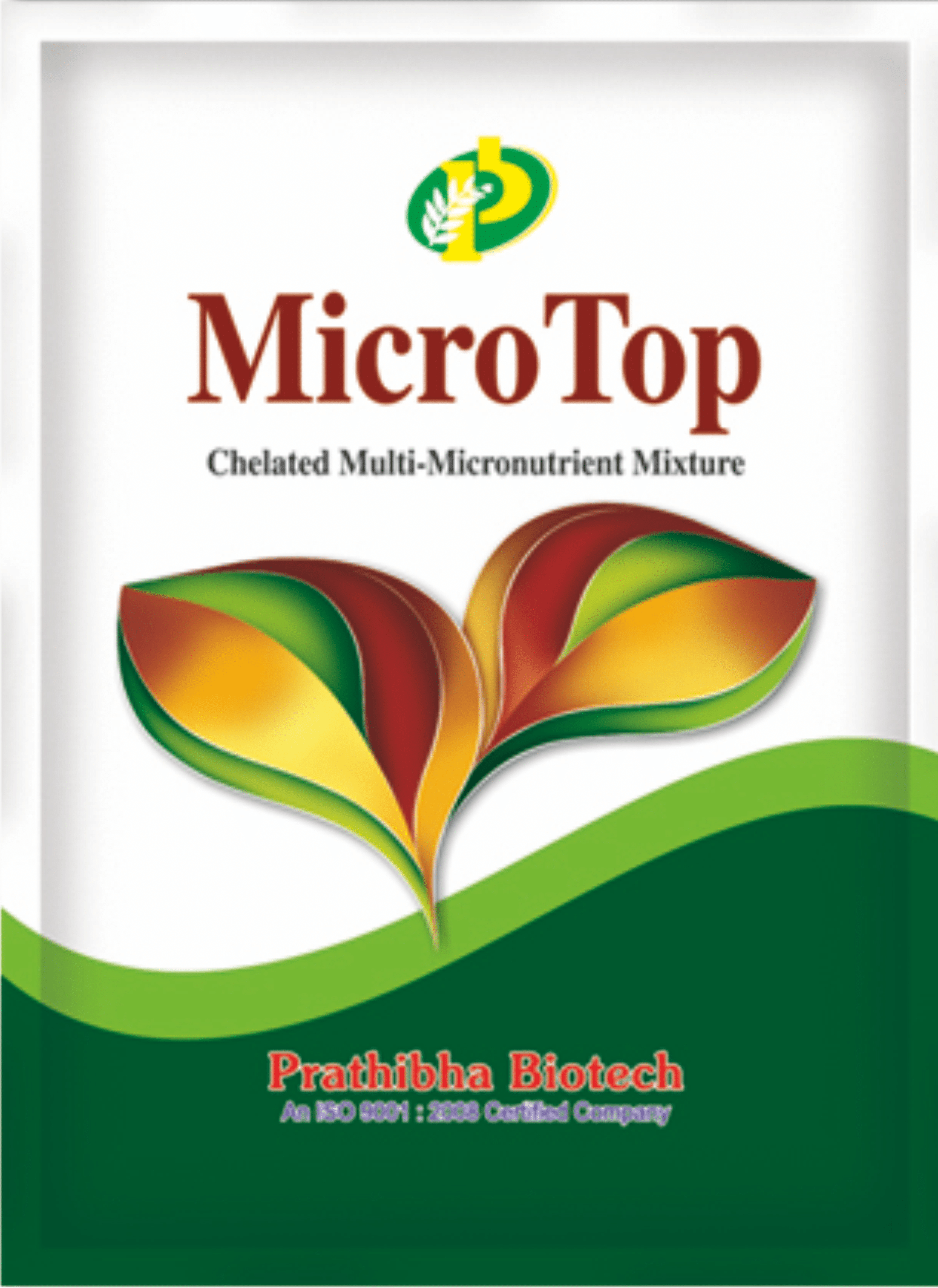
Microminerals mixture.
Micro minerals which plays a key role in the bio process of plants are currently identified as 7 minerals. They are: Zinc (Zn), Manganese (Mn), Copper (Cu), Ferrous (Fe), Boron (B), Molybdenum (Mo) and Chlorine (CI). Use of these mixtures as per the deficiencies of micro minerals in the land will bring good results. By spraying Microtop, micro minerals deficiencies will be rectified and get higher yields.
per one acre of crop use 300 gms.
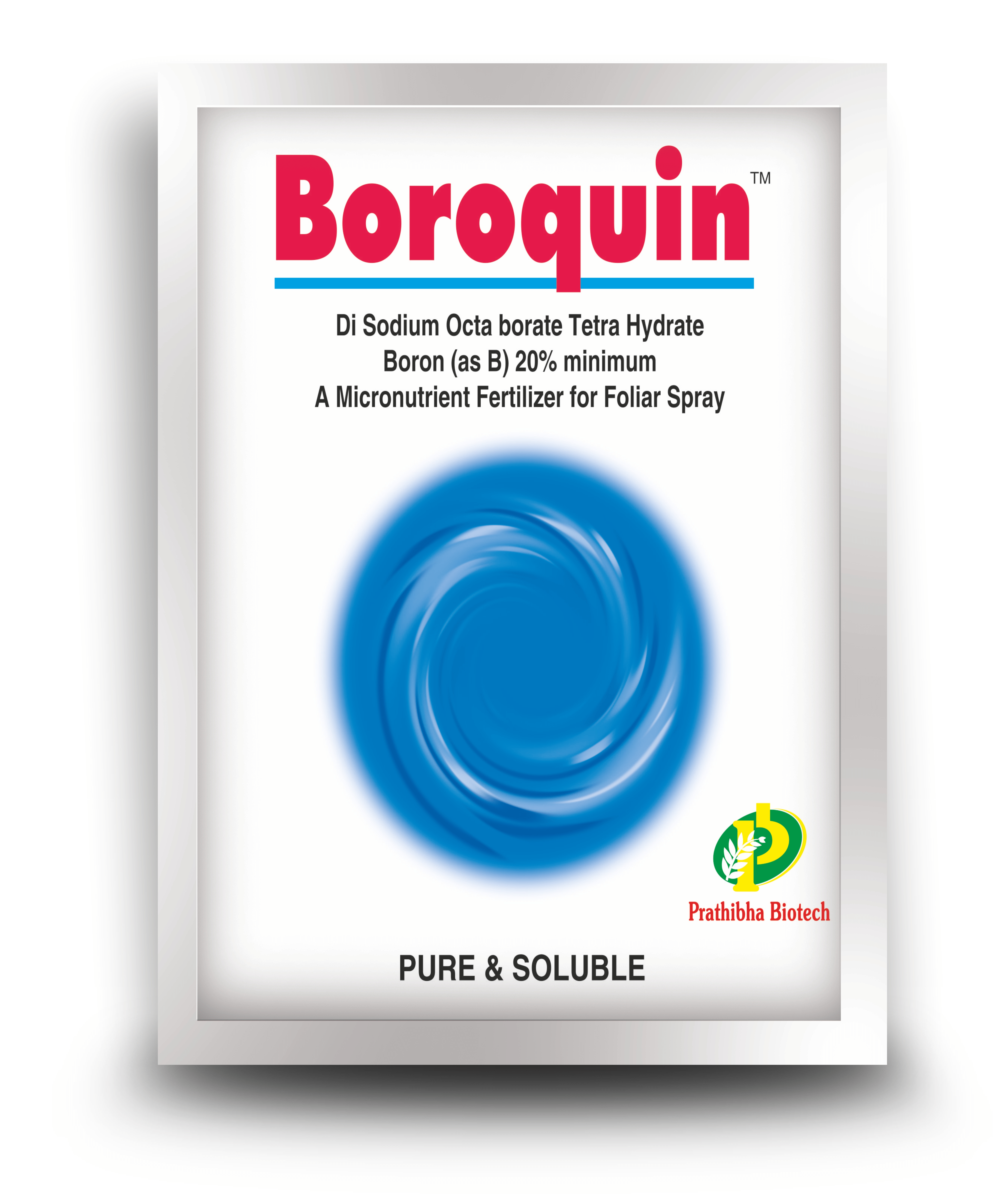
Disodium Octaborate Tetrahydrate (Boron 20%)
To prevent boron deficiency, promote abundant flowering, prevent the shrinkage of tender leaves, and avoid cracking in pods and fruits.
Spray: 250–300 grams per acre of crop.
Drip: 1–2 kg per acre of crop.

Zinc Sulphate 21%
To prevent zinc deficiency, promote crop growth, and develop a fibrous root system.
10 kilos per acre of crop.
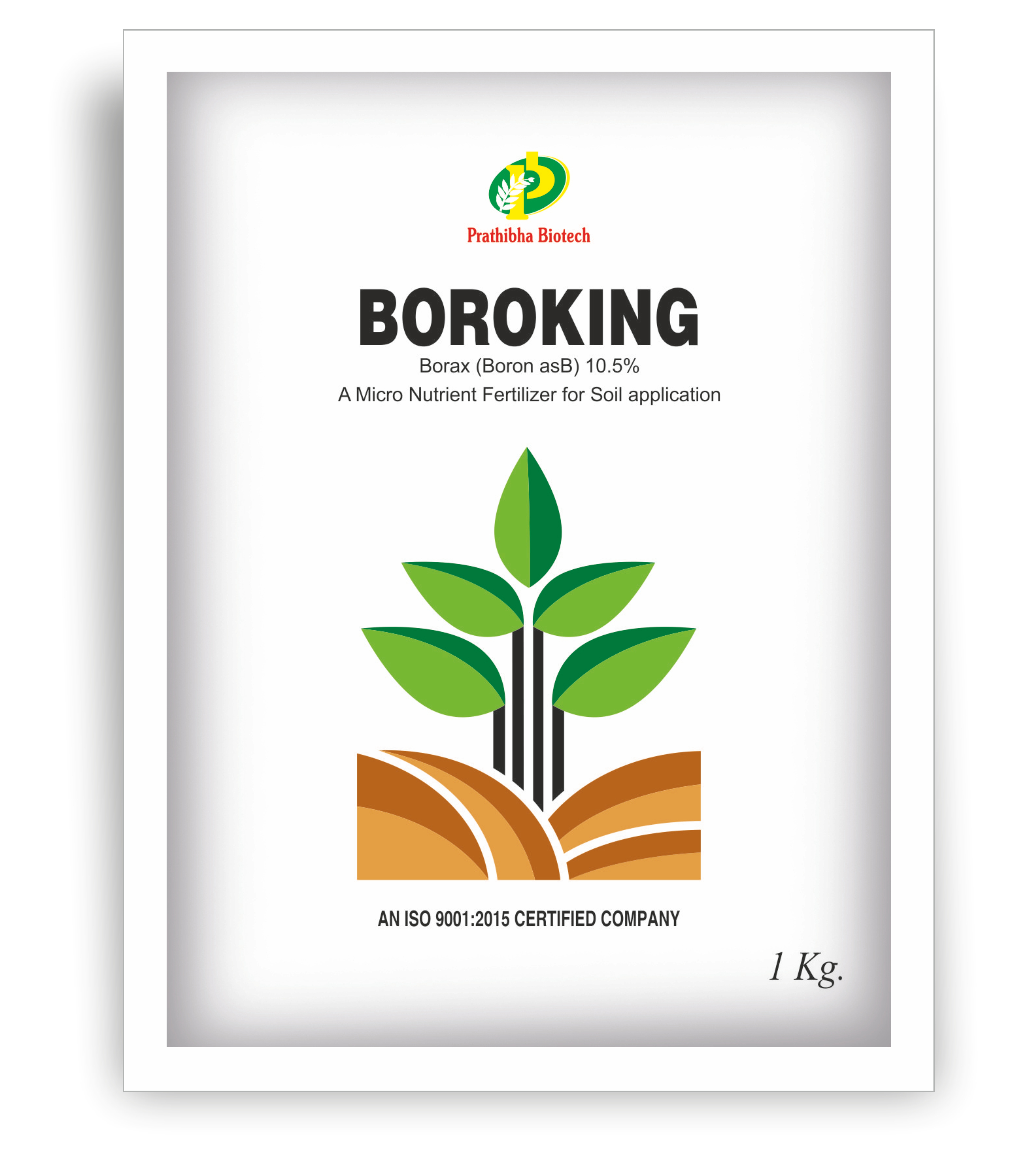
Boron 10.5%
To prevent boron deficiency, promote abundant flowering, prevent the shrinkage of tender leaves, and avoid cracking in pods and fruits.
In the soil: 5 kg per acre of crop.

Magnesium Sulphate 9.5%
It helps prevent magnesium and sulphur deficiencies and promotes chlorophyll formation and growth.
Spray: 1 kg per acre of crop.
10–25 kg per acre of crop.
5 kg per acre of crop.
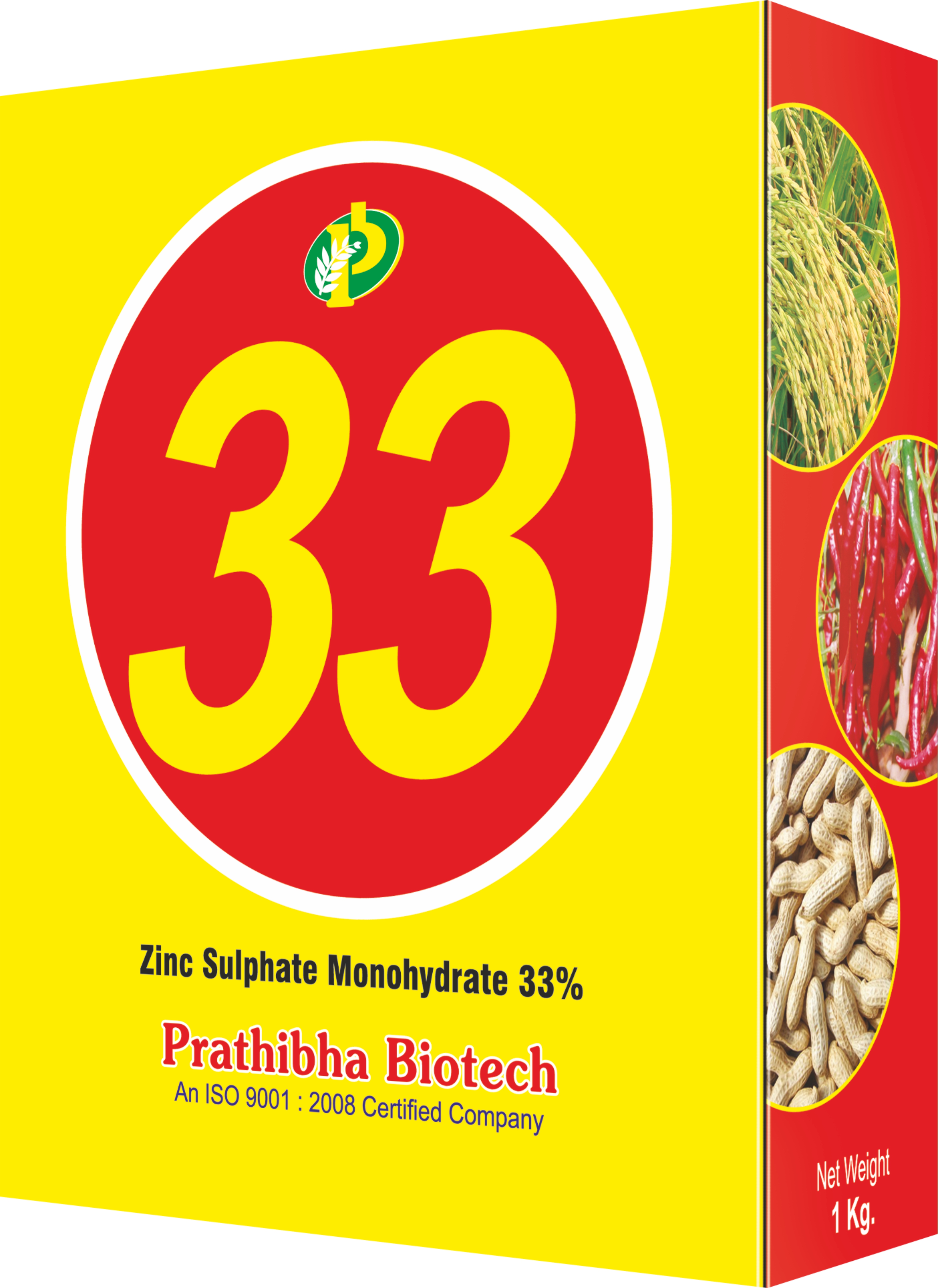
Zinc sulfate 33%
Zinc is the main element in 33. Zinc plays an important role in the bio process of plants. It increases fiber root and also prevents the fall of flowers and pods. It aids in the healthy growth of new gums and in the production of enzymes in the plants, by controlling plant growth regulators like Indole and acetic acid. Zinc consumption is more in grapes, lemon, pomegranate, apple, beans, tomato, onion, cotton and paddy crops.
Spray: Per one acre of crop use 100-150 gms.
per one acre of crop use one kilo.

Ammonia Molybdate 52%
We can rectify molybdenum (MO) deficiency in plants by using Promo in every plant. Nitrogen will be absorbed in the form of nitrates. Molybdenum only changes these into nitrates i.e as amino acids. That means molybdenum must be present in plants in order to fully utilize the nitrogen we use. It makes phosphorus in a natural form and brings into plants usage. This results in a natural growth of the plant and abundant flowering.
per one acre of crop use 50 to 100 gms.